Prof. Van Amerongen Receives KWF Grant for Breast Cancer Research
19 December 2025

Advancing Fundamental Insights into Breast Cancer
This month, the Dutch Cancer Society awarded nearly €18 million to fundamental cancer research projects aimed at improving our understanding of how cancer develops, grows, and spreads. Fundamental research provides an essential foundation for future innovations in cancer diagnosis and treatment. Breast cancer is a major focus within this funding round.
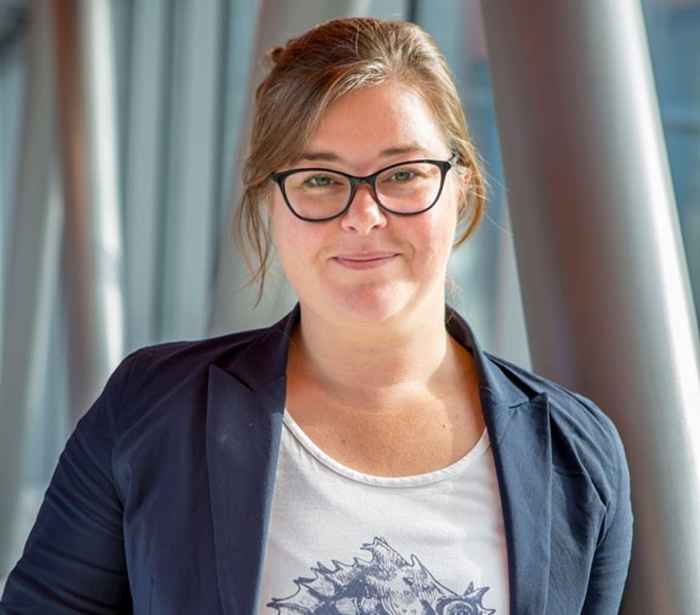
One key research question addresses how breast cancer cells exploit communication pathways between cells to drive tumor growth. For her research proposal “Taking action on the WNT signaling pathway in breast cancer”, Prof. Van Amerongen (Swammerdam Institute, Faculty of Science) has been awarded approximately €900,000.
Targeting WNT Signaling in Breast Cancer
Breast cancer is the most common cancer among women worldwide. Although significant progress has been made in diagnosis and treatment, existing therapies do not provide effective solutions for all patients. “Through basic research, we have gained a better understanding of which molecular processes are deregulated and how,” says Van Amerongen. “We believe this creates new opportunities for targeted therapeutic intervention.” The project focuses on WNT signaling, a molecular communication pathway that is essential for normal development and tissue maintenance but can be hijacked by tumor cells to promote their own growth.
A Biomarker to Stratify Patients
The research team has developed a biomarker that allows patients to be stratified into groups based on their WNT signaling status. The next step is to determine whether this biomarker is robust across different patient cohorts and whether it can predict response to treatment with WNT-modulatory drugs. “This is the critical step toward clinical relevance,” Van Amerongen explains.
Strong National and International Collaborations
The project team includes Dr. Thijs van Boxtel and Dr. Caitrin Crudden (Developmental, Stem Cell and Cancer Biology) as co-principal investigators. The KWF research grant enables the team to further refine and validate the biomarker in close collaboration with researchers at the Netherlands Cancer Institute and international partners. In addition, the project builds on an existing collaboration with Agendia, the company behind the MammaPrint test. The valorization potential of the newly developed biomarker is currently being explored through a recently awarded Proof of Concept grant (IXA) to Renée van Amerongen and Thijs van Boxtel.
About this KWF grant
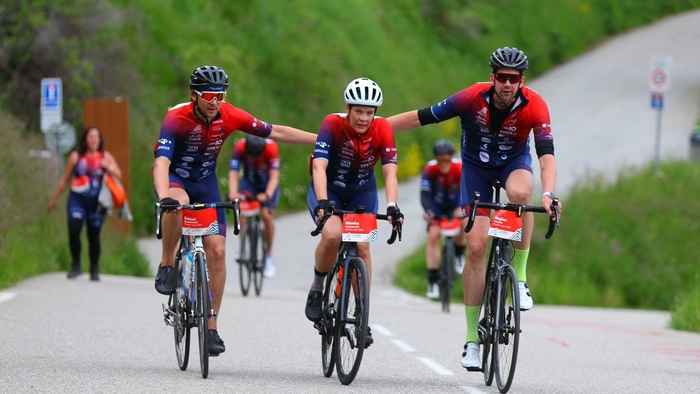
In this funding round, the Dutch Cancer Society is investing more than €32 million in 51 research projects. Prof. Van Amerongen’s project is one of 21 fundamental research projects and is funded by the proceeds of Alpe d’HuZes.