Bringing business and science together at the Deep Tech Day
3 February 2026
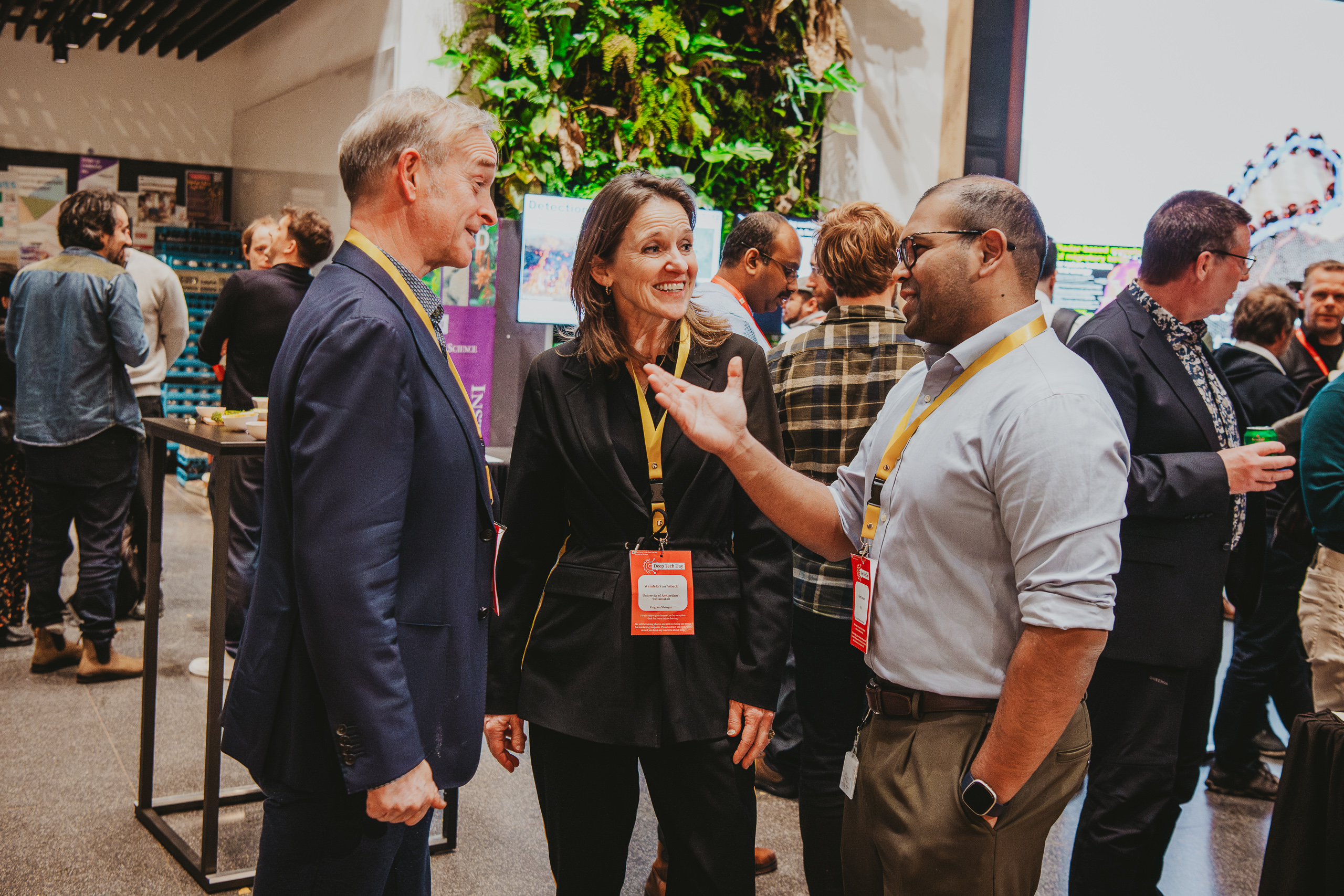
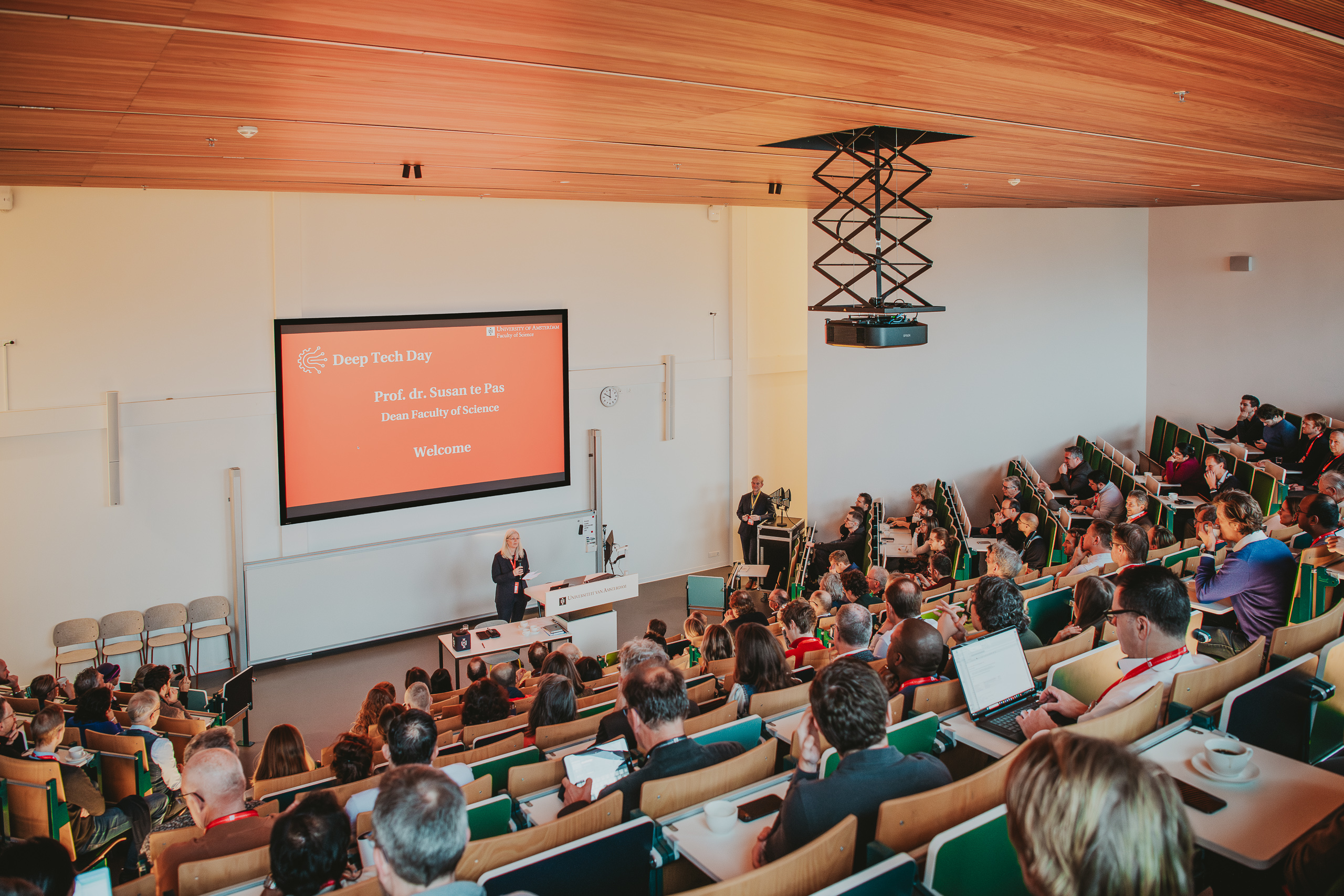
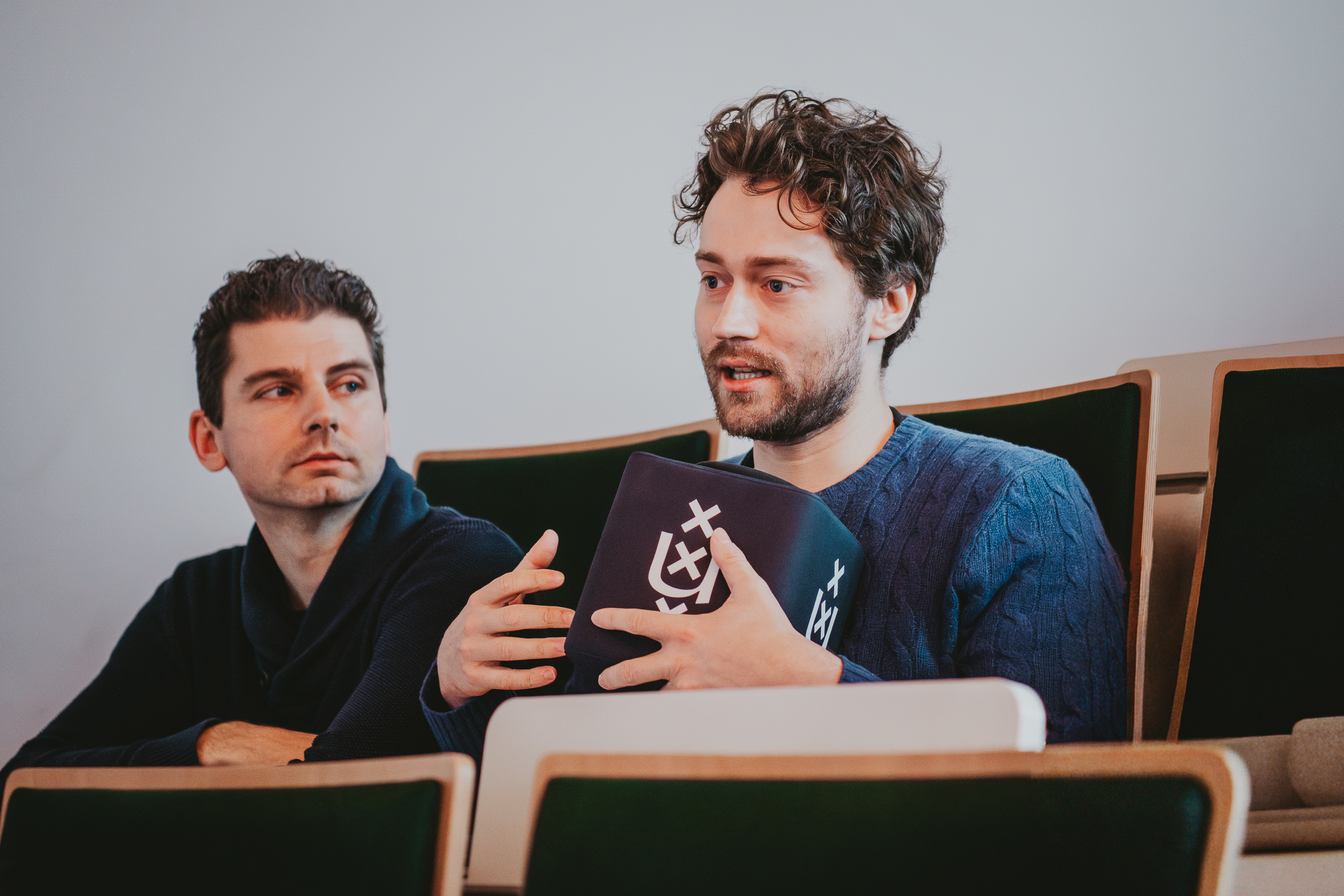
‘The idea is to network and get to know each other. The Deep Tech Day facilitates this,’ says Alfons Hoekstra, professor at the UvA Faculty of Science and one of the organisers of the event. It's the opening plenary of the Deep Tech Day on 28 January in the LAB42 building of the Faculty of Science. The lecture hall is filled with business leaders, startup founders, innovators, and others interested in the faculty's deep technological research.
“Deep Tech” refers to breakthrough technologies rooted in fundamental science, with the potential to transform industries or create new ones. During the Deep Tech Day, business and science came together to explore how leading research at the UvA Faculty of Science can be translated into real-world impact and collaboration. The day was organised by Alfons Hoekstra, Wendela van Asbeck (Program Manager MMD TechHub and SustainaLab), and Abeer Hossain (Business Developer MMD TechHub).
Towards societal impact
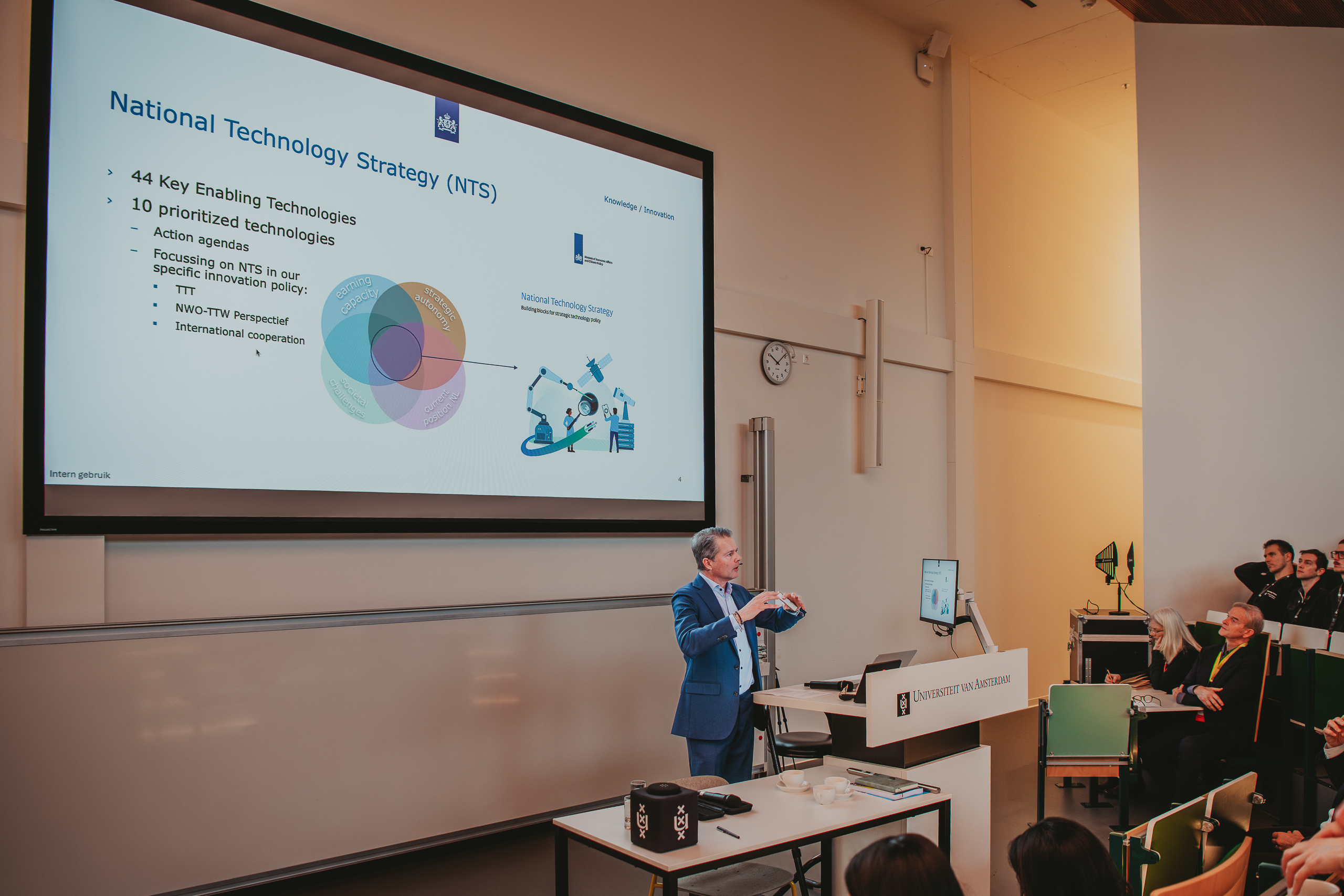
After an opening address by Susan te Pas, Dean of the UvA Faculty of Science, the plenary continued with a keynote by Tjerk Opmeer (director Innovation Policy, Ministry of Economic Affairs). He discussed the broader context of deep-tech research in the Netherlands and highlighted the National Technology Strategy (NTS).
The NTS has identified ten priority technologies for the Netherlands, many of which overlap with research at the UvA Faculty of Science. Opmeer's talk sparked a lively discussion on how to better support startups in the Netherlands and prevent them moving to the US. Are ten focus areas too many? Should we reduce constraints when funding research to stimulate innovation?
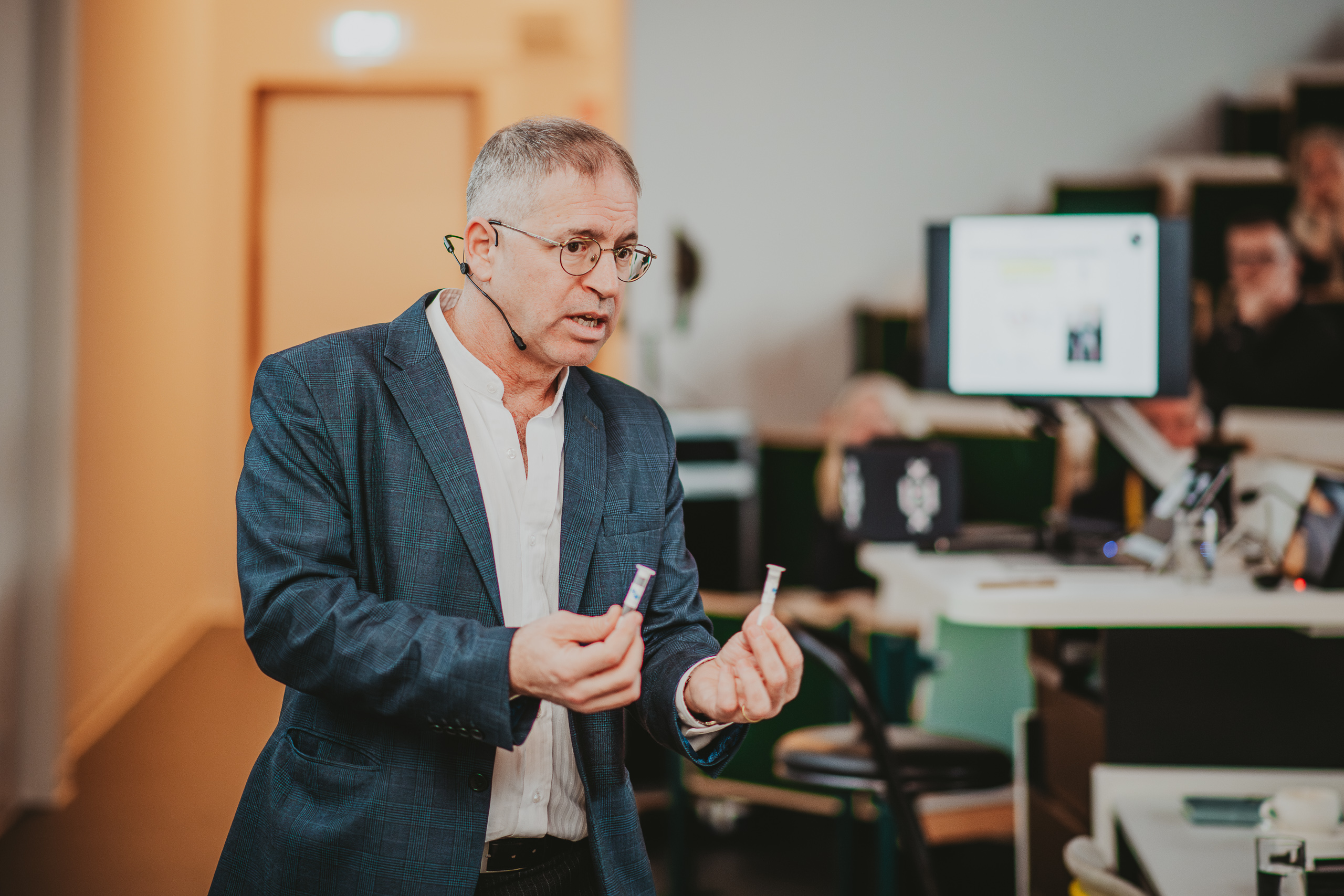
A keynote by Gadi Rothenberg, Chair of Heterogeneous Catalysis and Sustainable Chemistry at the UvA, offered a great example of translating academic knowledge to societal impact. In an energetic and humorous story, he talked about his invention, a deep soil water sampler, and stressed the importance of writing an agreement with partners before developing deep-tech innovations. His advice to aspiring entrepreneurs: ‘You will fail a lot, but failure is not a bad thing’.
Show-and-tell
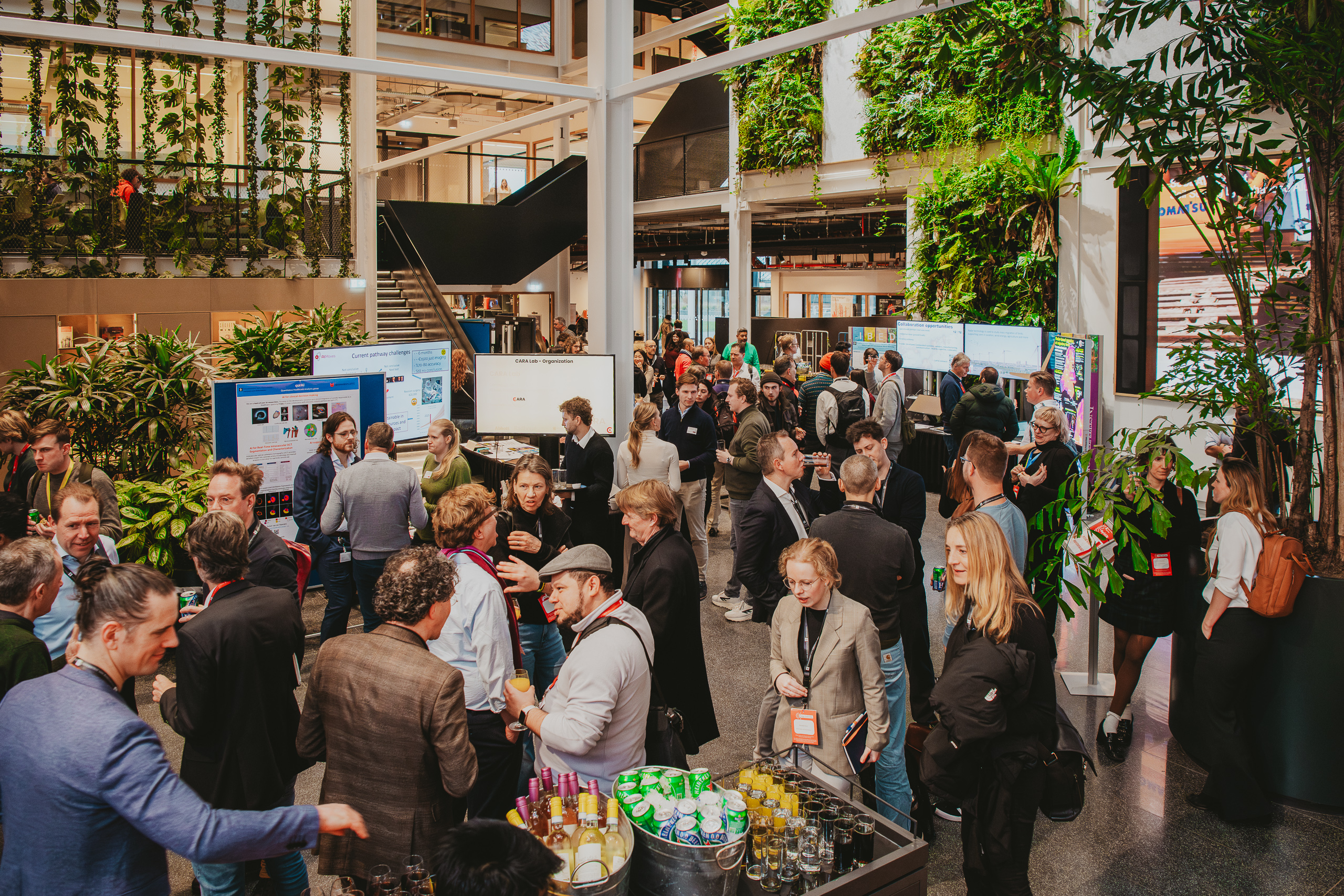
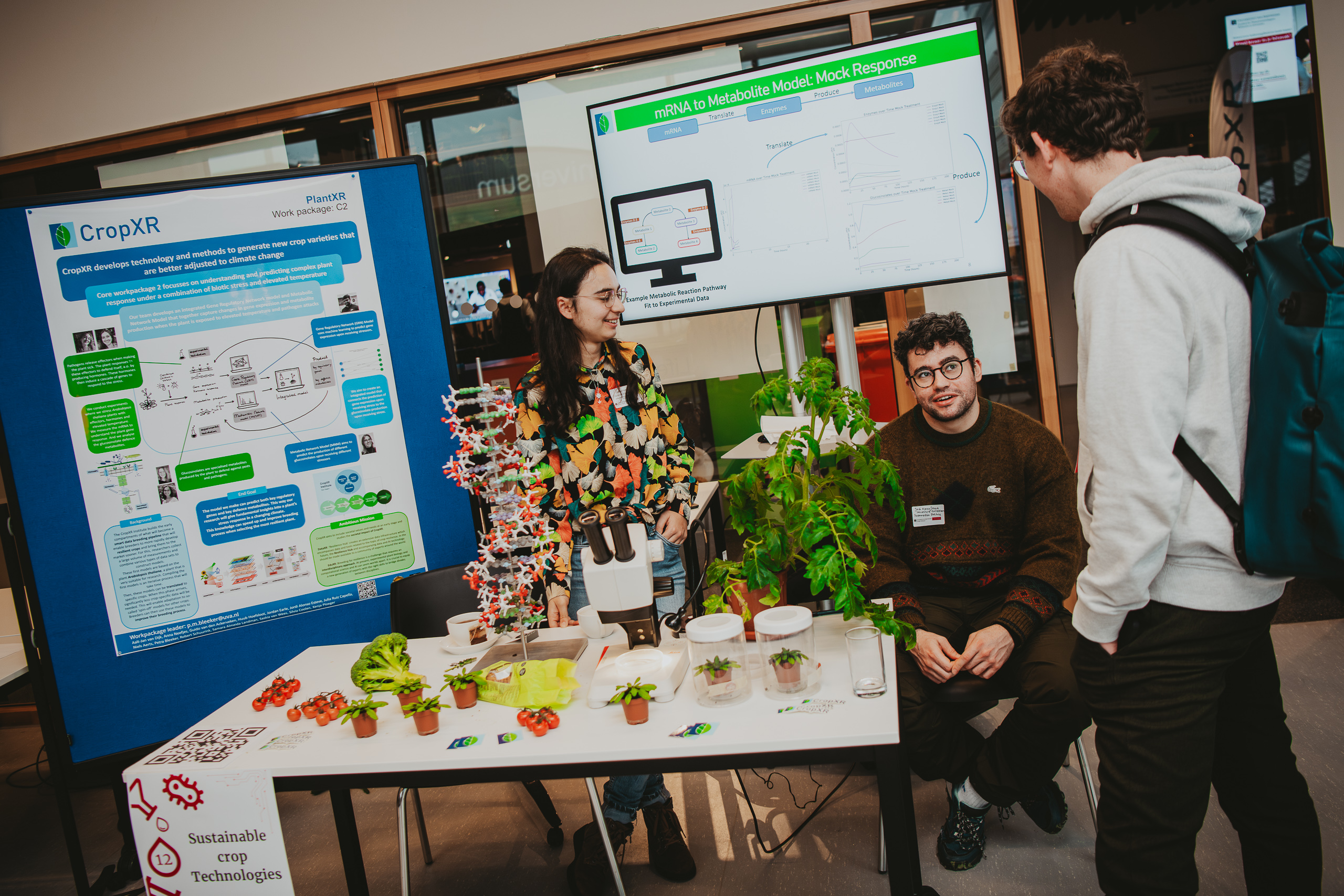
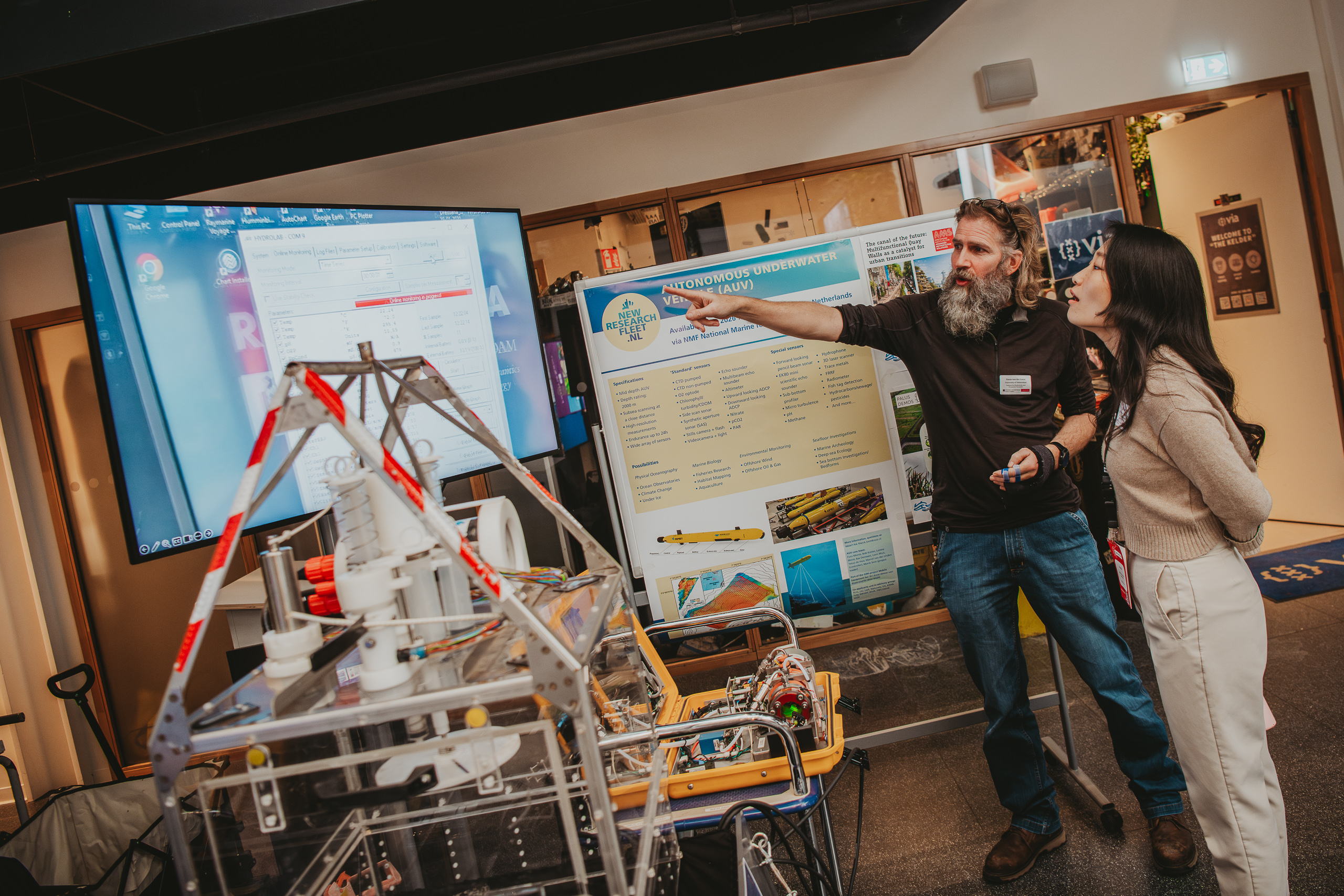
The focus of the Deep Tech Day was on show-and-tell, where participants got to see and discuss deep technological research in context. At the innovation market, Faculty of Science researchers from various disciplines showcased their deep tech innovations. The market was bustling with visitors throughout the day.
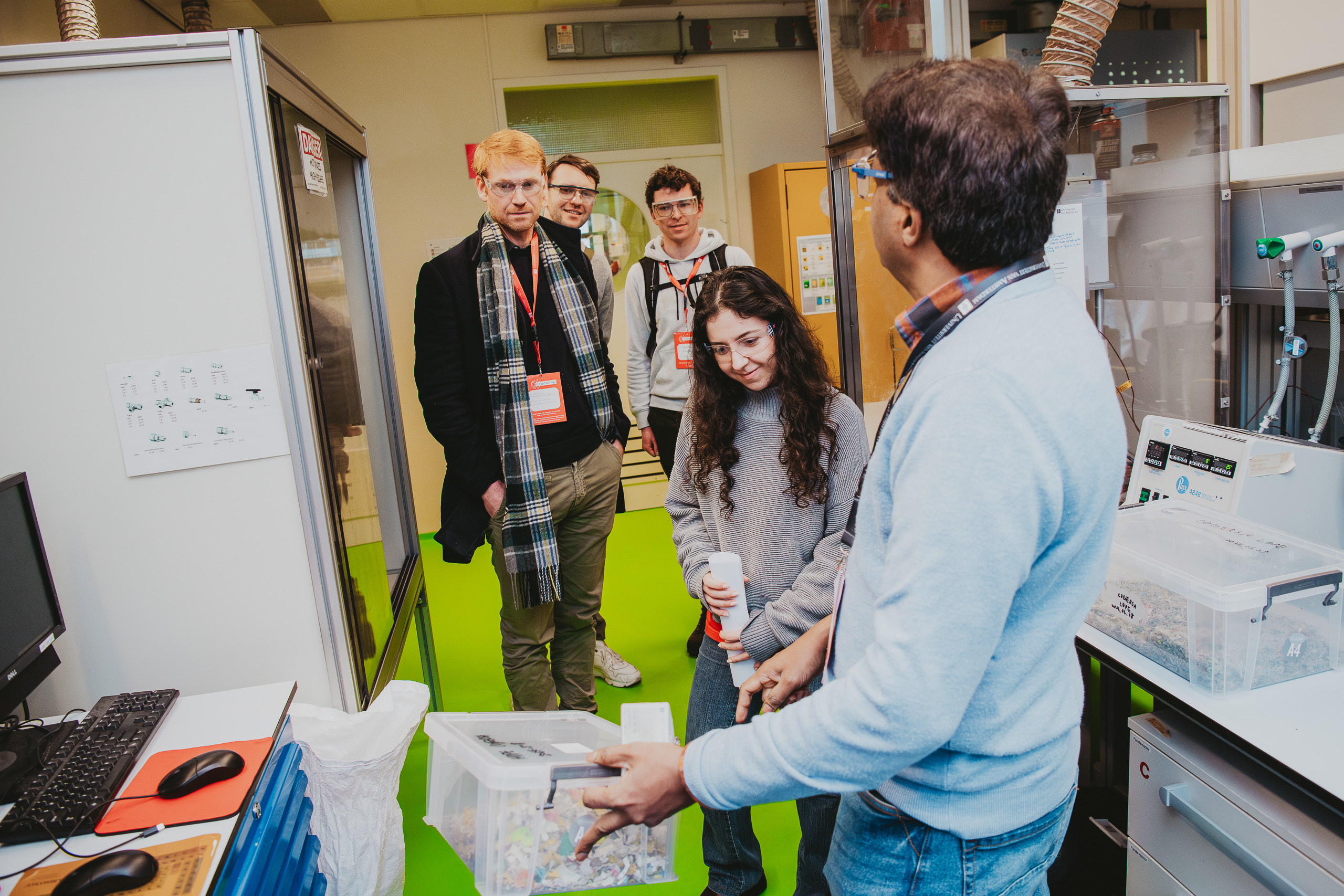
During immersive lab tours, attendees also saw the technologies that scientists are using and developing. On the Additive Manufacturing Tour, for example, they were shown a large range of state-of-the-art 3D printers that produce geometries that would otherwise be impossible to create.
Upcoming talented scientists and startup founders from the UvA Faculty of Science had the opportunity to pitch their ideas during the parallel sessions. In total, ten UvA startups presented their ideas, including KeplerVision, which develops AI sensors for heathcare, and SolarFoil, which optimises sunlight for greenhouses.
Embrace entrepreneurship
The final plenary session opened with a short pitch by Jonas Liekens from the City of Amsterdam about the upcoming Amsterdam Deep Tech Day. This was followed by a panel discussion moderated by Renée van Amerongen, UvA professor of Stem Cell and Cancer Biology. The panel featured Constantijn van Oranje (special envoy at TechLeap), prof. dr. Peter Paul Verbeek (rector of the UvA), dr. Emillia Olsson (group leader at ARCNL and Faculty of Science), and Renée Frissen (aiplan.nl).
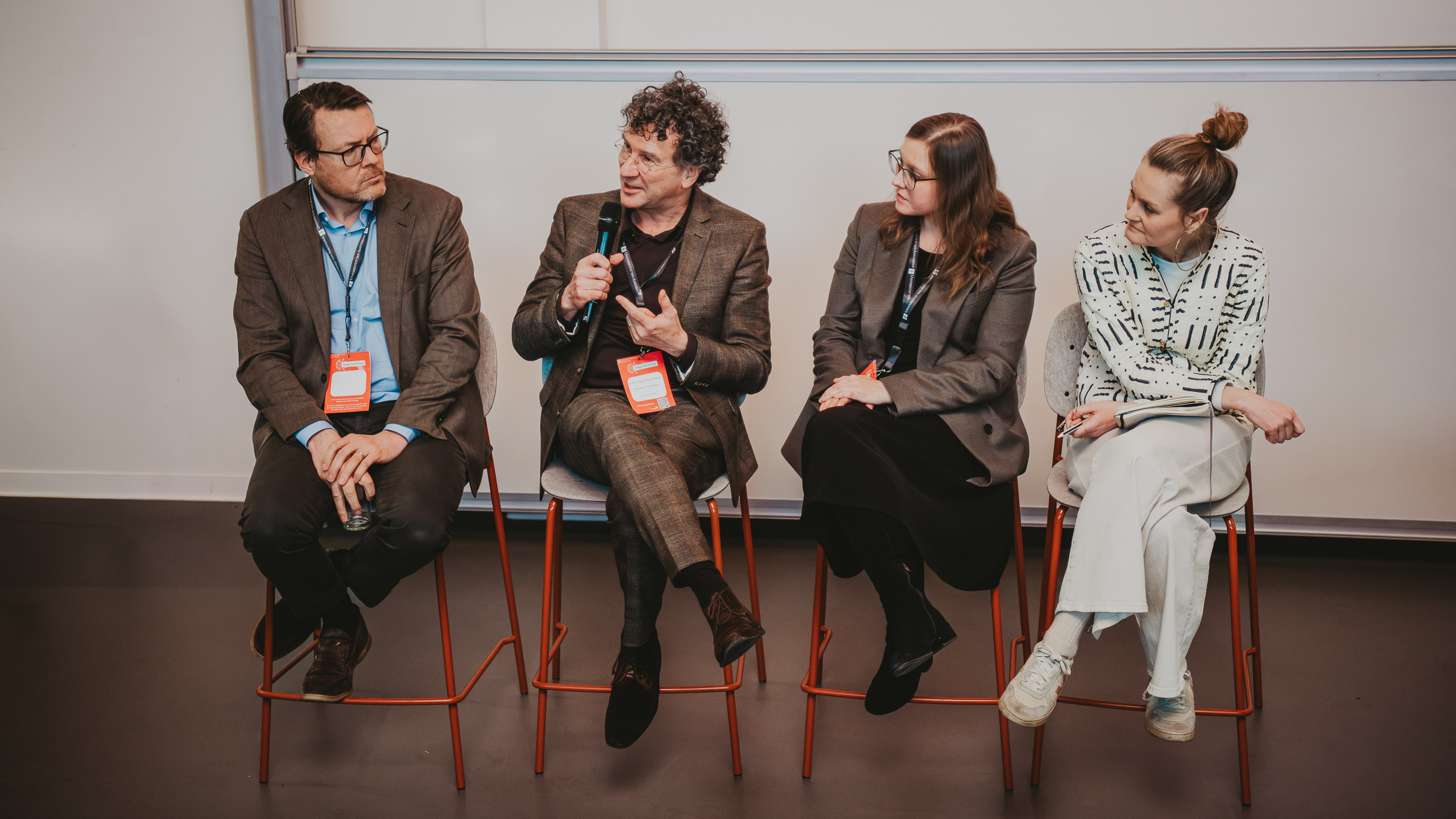
A key theme in the discussion was knowledge of and attitudes towards AI. Renée Frissen noted: ‘I see a lack of curiosity and judgement towards AI in universities.’ She argued that universities should reimagine how they approach learning, rather than blocking students’ access to AI, and that they should make active use of students’ knowledge of AI.
The panelists also discussed how both the university and society can better stimulate knowledge transfer to industry, from more entrepreneurial education within universities to better infrastructure around startups. Dr. Emillia Olsson stressed the importance of researchers building bridges and collaborating, as well as educating students: ‘We need to train students to be literate in the market they will work in.’
When asked what advice they would give the university, Constantijn van Oranje highlighted the advantage of being located in “a great city like Amsterdam”, because it naturally attracts people. He emphasised the need to show the strengths of Amsterdam, and to embrace entrepreneurship.